

By T.J. Ross
Idaho Fish and Game
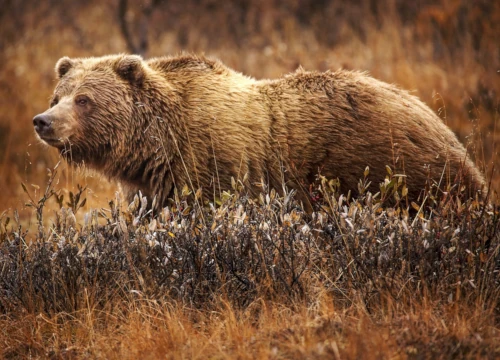

Black bears and grizzly bears alike are driven by their powerful sense of smell, actively searching for food to build up fat reserves for the winter months. Unsecured garbage, chickens, pet food, compost and even barbecue grills can all draw bears into human spaces. Once a bear learns to associate homes or campsites with easy meals, it often returns—and that can put both people and bears at risk.
Bears that find food near homes may lose their natural wariness of people. While a bear’s presence doesn’t necessarily mean it’s aggressive, it does underscore the need to act with awareness and caution to avoid conflict.
Now is the perfect time to securely store your attractants to keep bears moving on through. Here are some best practices to stay safe and protect your property in bear country:
Living in bear country
- Store garbage in bear-resistant containers or keep it in a hard-sided and locked building. If your community offers bear-proof dumpsters, use them.
- Remove bird feeders completely, or only use them when bears are hibernating (November-March). Birds have plenty of natural food sources in warmer months.
- Keep barbecue grills clean and stored inside if possible. Pet food, coolers and any scented items should not be left outside or on porches.
- Avoid putting meat, dairy or grease in compost piles. Harvest ripe fruit promptly and pick up fallen fruit from the ground.
- Electric fencing is highly effective for deterring bears from chicken coops, beehives and livestock enclosures.
- A community-wide approach is the most effective way to reduce conflicts. Encourage others to secure attractants and report unusual or dangerous human-bear encounters to your local Idaho Fish and Game regional office.
Camping in bear country
- Keep food and anything with a scent out of tents.
- Dispose of garbage in provided containers; otherwise, take it with you and dispose of it properly elsewhere. Do not bury or burn garbage.
- Properly store unattended food and anything else with a scent. Food storage options are:
- Bear boxes
- Hard-sided vehicles (car, truck, RV). Avoid leaving attractants in vehicles for extended periods (backcountry trips)
- Certified bear-resistant containers
- Electric fencing, depending on local regulations and model or configuration of fence.
Hiking in bear country
- Carry bear spray and know how to use it.
- Hike in groups of three or more people. Avoid hiking after dark, or at dawn or dusk, when bears are most active. Use extra caution in places where visibility or hearing is limited, such as bushy areas near streams.
- Be alert. See the bear before you surprise it. Watch for fresh tracks, scat, and feeding sites (signs of digging, rolled rocks, torn up logs, ripped open ant hills).
- Make noise. When hiking, periodically yell “Hey bear!” to alert bears to your presence, especially when walking through dense vegetation/blind spots, traveling upwind, near loud streams, or on windy days. Avoid thick brush whenever possible. Bears often use the same trails hikers do, and are attracted to sources of food like berry patches or carcasses.
- View and photograph all wildlife from a distance. You should never come closer than 100 yards to a bear.
Bears are a natural part of the landscape but living around them requires special knowledge and a commitment to being bear aware.
Recent sightings are evidence that bears are active and passing through spaces used by humans. By securing attractants and spreading awareness, you can help ensure that bears keep moving through—and stay wild.
Please contact the Panhandle Regional office at (208) 769-1414 with any questions or to report unusual or dangerous bear encounters in the Panhandle.